
A complex journey that doesn’t follow a one-size-fits-all pattern develops in the delicate world of software engineering, where creativity and complexity converge. The position of a software tester is becoming as a key component in promoting the quality, dependability, and functionality of digital products as the world of technology advances constantly.
In the intricate realm of software development, where innovation converges with complexity, a multifaceted journey unfolds—one that doesn’t follow a one-size-fits-all path. While the world of technology continuously propels forward, the role of a software tester emerges as a linchpin in ensuring the quality, reliability, and functionality of digital creations. Yet, just as diverse as the spectrum of software applications itself, is the array of talents, inclinations, and aspirations that individuals bring to the table. It’s within this context that we unravel the intriguing truth—software testing is not for everyone. This is not a declaration of diminished importance, but rather an exploration into why this role might not resonate with every aspiring technologist. So, let’s embark on a candid journey, delving into six thought-provoking reasons why the domain of software testing might not be the perfect fit for every aspiring digital explorer.

1)Attention to Detail: As software testers carefully navigate the complicated world of programs, their capacity to meticulously and precisely examine each component becomes crucial. It’s the discerning eye that detects the subtlest of defects, ensuring that functionalities align seamlessly with specifications, interfaces exhibit flawless behavior, and user experiences remain untarnished This proficiency not only encompasses the act of identifying discrepancies but also extends to the comprehensive documentation of findings, facilitating effective communication with programmers and stakeholders. This feature may be difficult and unpleasant for people who have trouble staying focused on particulars.
2) Repetitive Tasks: The presence of repetitive tasks constitutes a characteristic that demands both resilience and meticulousness. Testers frequently find themselves navigating a terrain of recurrent situations while consistently carrying out the same test cases.
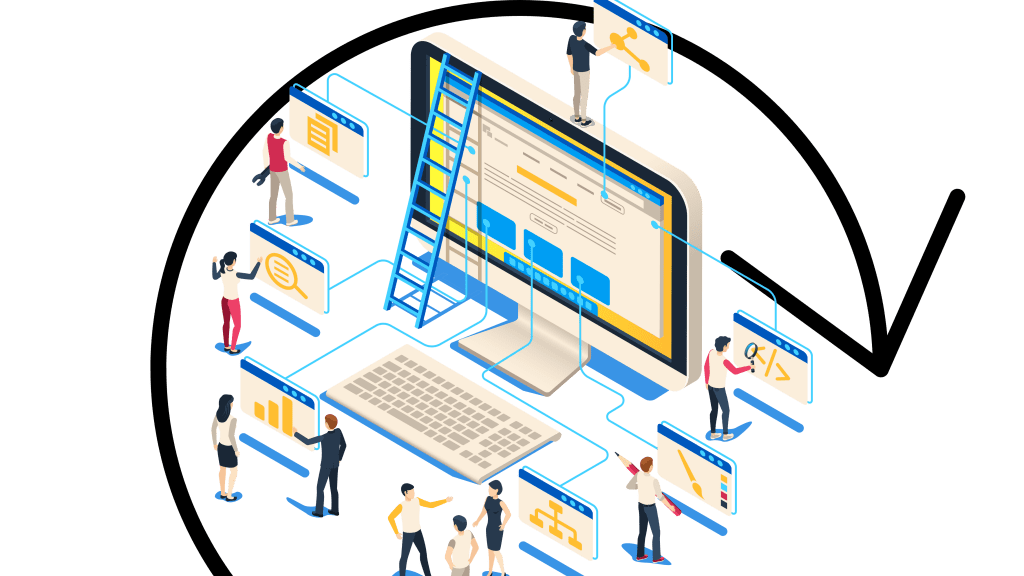
Even though these duties appear to be repetitive in nature, their importance is indisputable. Repetition is the foundation of reliability; by putting the software through numerous trials, testers may identify trends, spot discrepancies, and confirm that findings remain consistent over time. The dependability and stability of the application are established through this iterative procedure. Individuals who prefer varied and dynamic work might find the repetitive nature of testing monotonous.

3)Uncertainty and Change: The inevitable nature of change and uncertainty becomes a defining feature that necessitates flexibility and strategic vision. The fluidity of software development is characterised by the changing nature of requirements, technologies, and user expectations.
Test Engineers must navigate this ever-changing terrain and the ability to embrace uncertainty and pivot in response to change is a hallmark of effective testing. This agility extends to the mindset as well, requiring testers to view uncertainty not as a challenge but as an opportunity for innovation and growth.Those who are uncomfortable with uncertainty and adapting to change may struggle in the testing field.

4)Communication Skills: Effective communication skills emerge as a pivotal aspect that bridges the gap between technical complexities and collaborative endeavors. Software testers translate complex technical intricacies into clear insights, serving as the connecting link between developers, designers, project managers, and stakeholders. It’s crucial to be able to communicate testing results, flaws, and recommendations in a clear and succinct way. This not only makes collaboration simple, but it also improves the accuracy of defect reporting and the development process as a whole. Individuals who find it challenging to articulate technical matters or collaborate with diverse teams may face difficulties.
5)Perception of Inferiority: The subtle undercurrent of the perception of inferiority occasionally surfaces, shedding light on a multifaceted aspect that demands a reevaluation of roles and their intrinsic value. Despite the pivotal role testers play in upholding software quality, there can persist a misguided notion that testing is subordinate to other functions like development.

This perception, if left unaddressed, can inadvertently undermine the morale and motivation of testing professionals. In reality, testing is an intricate discipline that requires a diverse skill set, encompassing technical acumen, critical thinking, and an innate attention to detail. It’s a role that serves as a vigilant safeguard against defects and vulnerabilities, ensuring that the final product is not only functional but also reliable. It’s essential to dispel any perception of inferiority, recognizing that testing and development are symbiotic forces, each contributing to the creation of exceptional software. Some may feel test engineering may not have any innovation involved may also feel that testing doesn’t align with their aspirations.

6)Critical Thinking and Problem-Solving: Critical thinking and problem-solving emerge as indispensable facets that illuminate the path toward uncovering defects, enhancing functionality, and fortifying the overall quality of software applications. Testers, equipped with the ability to dissect complexities and decipher intricacies, navigate through a labyrinth of code to identify potential vulnerabilities and anomalies.
Critical thinking involves the meticulous analysis of requirements, functionality, and user interactions, enabling testers to construct comprehensive test cases that scrutinize every facet of the software. Moreover, the art of problem-solving shines when unexpected challenges arise—testers harness their analytical prowess to deconstruct issues, trace their origins, and devise innovative solutions that safeguard the software’s integrity. This tandem of critical thinking and problem-solving is the cornerstone of effective testing, allowing testers to delve beyond surface-level assessments and instead engage with the software’s underlying mechanics. As such, these skills empower testers to not only identify defects but also to contribute to the continual refinement and evolution of software products. Those who struggle with problem-solving or approaching challenges from different angles might find testing demanding.
7)Balancing Objectivity and Subjectivity: the delicate equilibrium between objectivity and subjectivity emerges as a pivotal aspect that influences the thoroughness and effectiveness of the testing process. Testers must traverse a fine line between unbiased evaluation and the subjective perception of user experiences. Objectivity is the cornerstone of comprehensive testing, ensuring that every function, requirement, and scenario is scrutinized without bias.
It involves adhering strictly to test cases, specifications, and standards, leaving no room for personal interpretation. On the other hand, subjectivity comes into play when assessing the software’s user-friendliness, intuitiveness, and overall user experience. Testers wear the hat of an end user, evaluating how the application performs in real-world scenarios. Striking the right balance between these two aspects is an art in itself—testers must pivot seamlessly between objective validation and the empathetic evaluation of user satisfaction. By embracing this duality, testers contribute to the creation of software that not only meets technical requirements but also resonates with end users on a human level. Those who struggle to navigate this balance might have difficulty in delivering well-rounded testing results.
Conclusion:
In the intricate tapestry of software testing, a symphony of skills and aspects intertwine to create a harmonious pursuit of quality and excellence. From meticulous attention to detail that uncovers the smallest of defects, to the resolute embrace of repetitive tasks that form the foundation of reliability, testers navigate a landscape where uncertainty and change are met with adaptability and innovation. Effective communication bridges technical intricacies, while the perception of inferiority is debunked to acknowledge the indispensable role of testers. Critical thinking and problem-solving elevate testing from scrutiny to refinement, while the delicate balance of objectivity and subjectivity crafts software that is both robust and user-centric. Together, these facets converge to shape a discipline that not only validates software but also contributes to its evolution, ensuring that the digital creations we rely on meet the highest standards of quality, functionality, and user satisfaction.
 someooow